Choosing the Right Spine
The binding method defines the form factor of your book. It dictates your page count limits, your layout strategy, and the final perceived value of the product.
1. Saddle Stitch (Stapled)
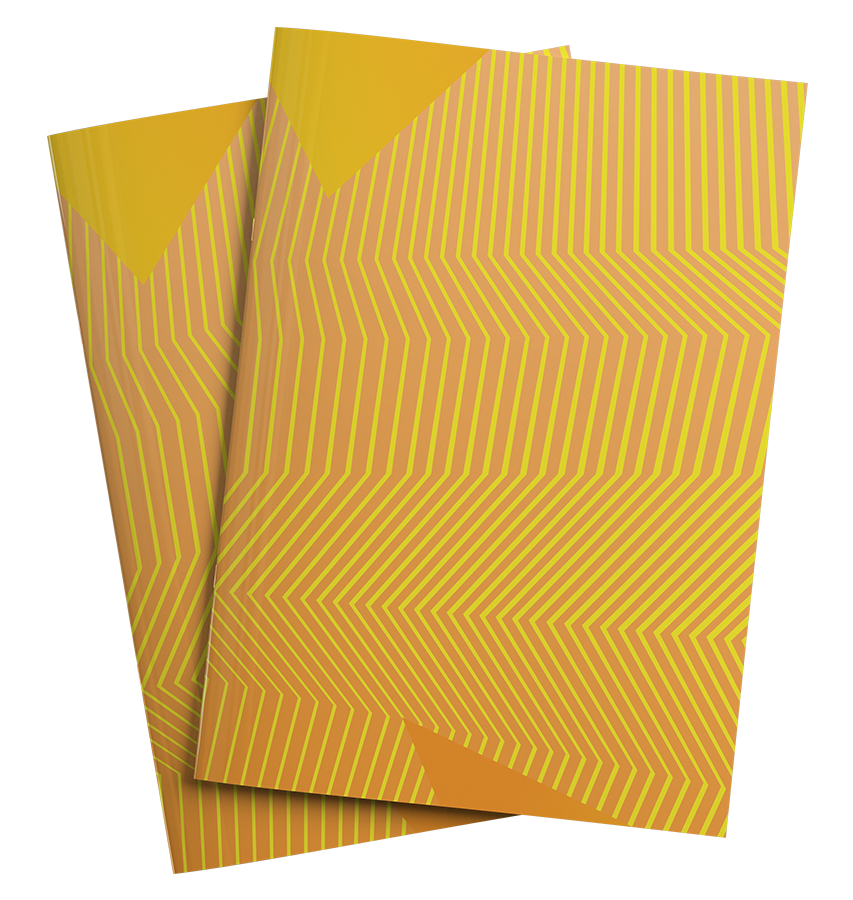
The Mechanism: Sheets of paper are folded in half, nested inside each other, and stapled through the fold (the "saddle").
Best For: Comics (floppies), Zines, Lookbooks, Event Programs.
Pros:
- Lowest cost.
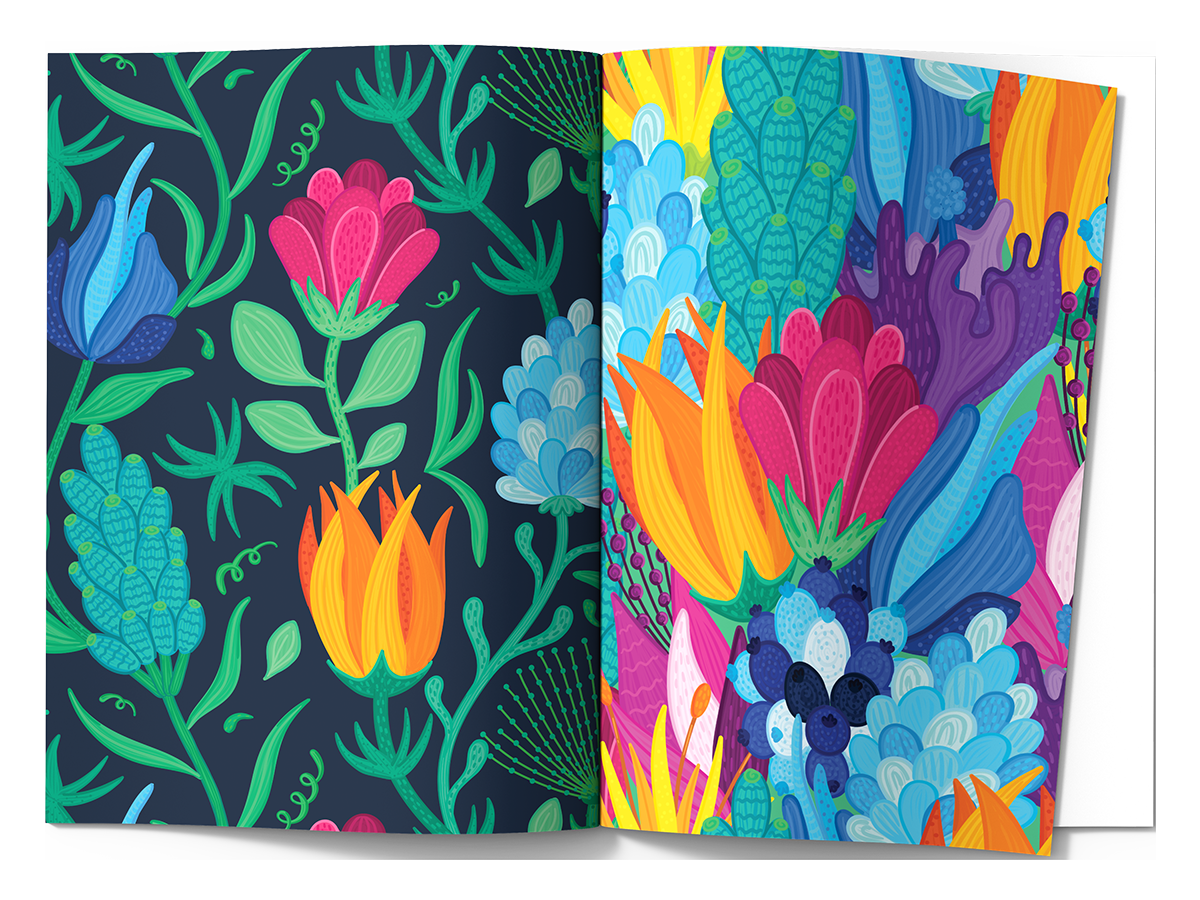
- Lies perfectly flat when open (great for crossover art).
- Fast turnaround.
Cons:
- Page Limit: Max 30 sheets (120 pages). However has specific limits on type of paper to achieve that. This is not yet built into the estimator, and we may contact you if changes may be necessary
- Creep: As pages nest, the inner pages stick out further than the cover. We trim this off, which means the inner pages are slightly narrower. Keep critical art away from the outside edge.
- No printable spine (it's just a fold). hard to identify on a shelf.
2. Perfect Bound (Softcover)
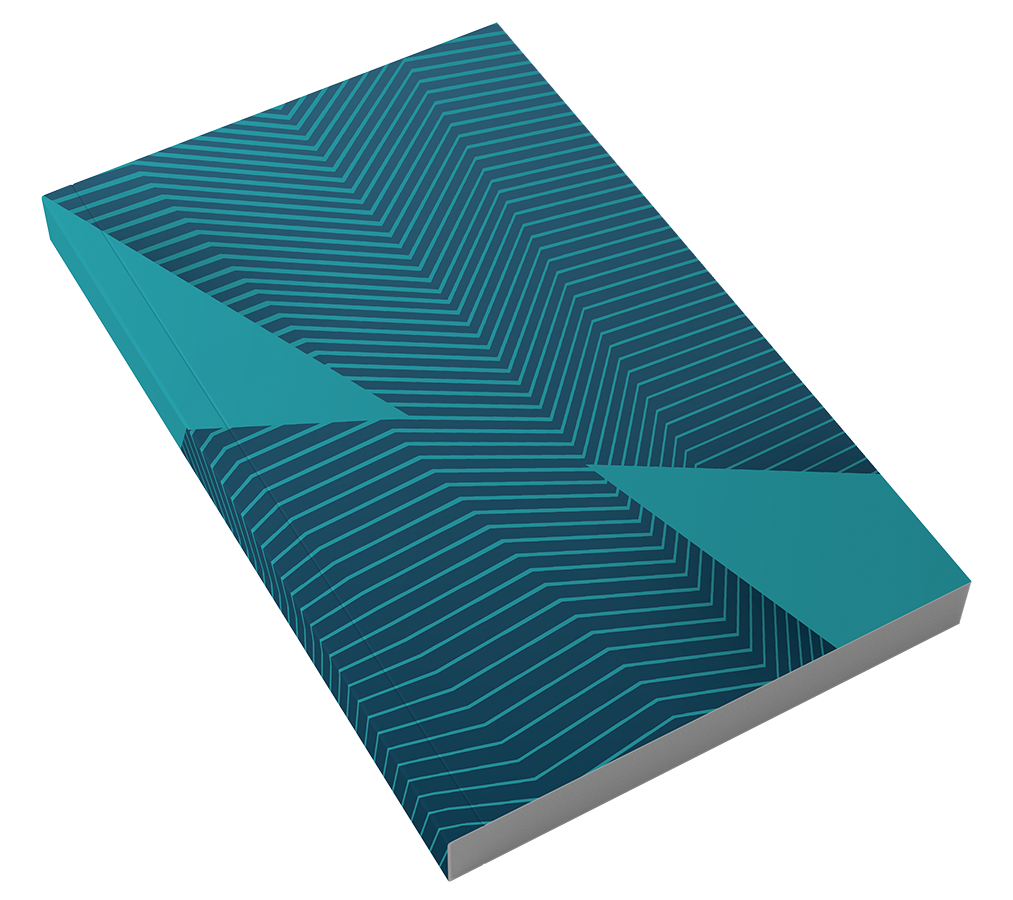
The Mechanism: Single sheets are stacked into a block. The spine edge is milled (ground up) to expose fibers. A strong EVA adhesive is applied, and a wrap-around cover is clamped onto the block.
Best For: Graphic Novels, Manga, Trade Paperbacks, Anthologies.
Pros:
- Professional "bookstore" look.
- Square, printable spine (essential for retail).
- Can handle high page counts (up to 400+).
Cons:
- Does not lie flat. You lose some art in the "gutter" (the crack between pages). You need to add extra margin on the inside edge.
- Minimum Page Count: Needs at least 28 pages to form a spine, but minimum page count is also based on paper type.